
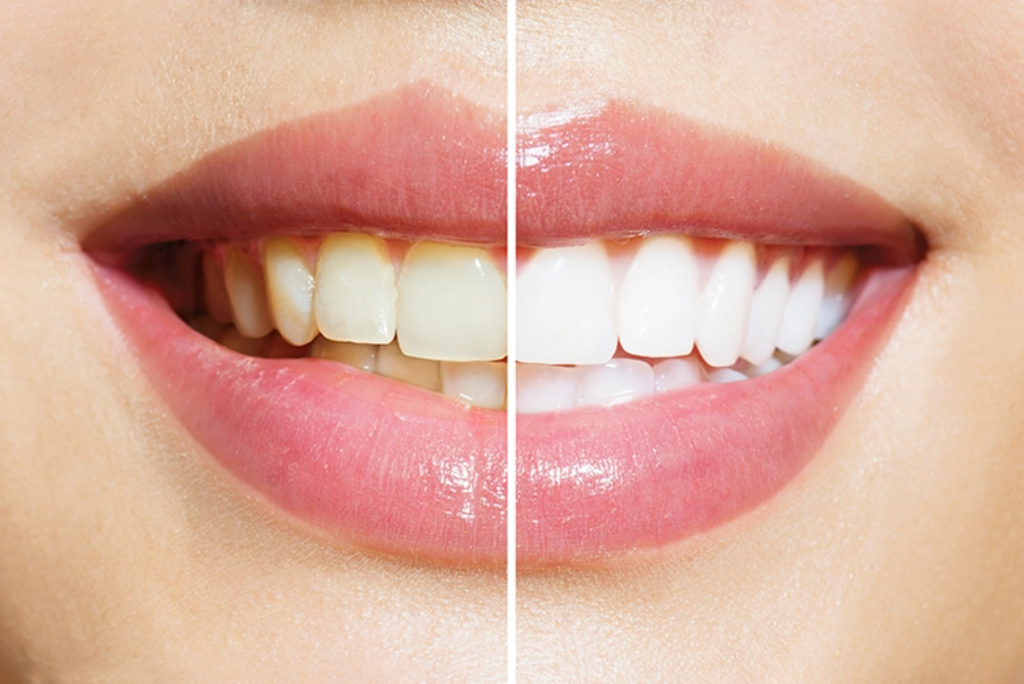
It is one of the most common questions we hear after a whitening appointment: how long will this actually last? The honest answer is that it depends less on the treatment itself and more on what happens in the weeks and months afterward.
The short answer
Most people can expect professional whitening results to last somewhere between several months and a couple of years. That is a wide range, and the reason it is so wide is that habits vary enormously from person to person. Someone who drinks black coffee every morning and a glass of red wine most evenings will see results fade considerably faster than someone who does not.
Whitening is not permanent for anyone. Teeth pick up stain gradually throughout life, and no treatment stops that process. What whitening does is reset the shade — good habits afterward decide how slowly it drifts back.
What affects how long your results last
What you eat and drink
This is the biggest factor by a comfortable margin. Coffee, black tea, red wine, cola, and dark juices are the usual culprits. So are deeply pigmented foods such as berries, tomato-based sauces, curry, and balsamic vinegar. A useful rule of thumb: if it would stain a white shirt, it can stain your teeth.
You do not necessarily have to give any of it up. Drinking through a straw where practical, and rinsing with water afterward, makes a real difference.
Smoking and tobacco
Tobacco stains teeth quickly and stubbornly. If you smoke or use other tobacco products, whitening results tend to fade noticeably faster, and touch-ups are usually needed sooner.
Your day-to-day oral hygiene
Brushing twice a day and flossing does more than protect against cavities. It clears away the surface film that stain molecules cling to. Patients who keep a consistent routine and attend their regular cleanings almost always hold their results longer.
The kind of whitening you had
Professional whitening uses stronger, carefully controlled bleaching agents than anything sold over the counter, so it typically produces a bigger change that takes longer to fade. Custom-fitted take-home trays have an added advantage: because the trays are made to your mouth, you can do a short touch-up later without starting over.
Why professional whitening outlasts drugstore strips
Over-the-counter strips can lighten teeth, and for very mild surface staining they may be all someone needs. But there are two practical differences.
The first is concentration. Products sold directly to consumers use weaker bleaching agents, which is why the change is usually smaller and fades sooner.
The second is fit. A one-size strip does not follow the contours of your teeth, so the gel often sits unevenly and misses the spaces between them. That is what produces the patchy result people sometimes complain about. Custom trays hold the gel evenly against every surface.
At our Tempe office we offer both custom take-home trays and in-office Boost™ teeth whitening, where many patients see results in about an hour.
How to make your results last longer
- Rinse with water after coffee, tea, wine, or anything darkly pigmented.
- Use a straw for iced coffee, tea, and soft drinks where practical.
- Wait about 30 minutes after acidic food or drink before brushing, so you are not brushing softened enamel.
- Keep up your regular professional cleanings — they remove surface stain that brushing alone leaves behind.
- If you have custom trays, ask about occasional short touch-ups rather than waiting for results to fade completely.
- If you use tobacco, expect faster fading and plan touch-ups accordingly.
What whitening will not change
This part matters, because it is where expectations most often go wrong.
Whitening works on natural tooth enamel. It does not change the color of crowns, veneers, bridges, or tooth-colored fillings. If you have existing dental work in a visible area and you whiten the teeth around it, that restoration may end up looking darker by comparison. It is worth discussing before you start, not after.
Whitening also behaves differently depending on the cause of the discoloration. Surface staining from food, drink, and tobacco tends to respond well. Discoloration that comes from inside the tooth — from certain medications, an old injury, or a tooth that has had root canal treatment — often responds less predictably, and a different approach may suit you better.
Individual results vary, and the only way to know what is realistic for your teeth is to have someone look at them.
Talk to a Tempe dentist about whitening
If your teeth have yellowed over the years and you are wondering what is actually achievable, the simplest next step is a conversation. Dr. Scott Nielsen can look at the cause of the discoloration, tell you honestly what whitening is likely to do, and recommend whether take-home trays or in-office whitening makes more sense for you.
New to the practice? Take a look at our new patient specials, or call us at (480) 820-3515 to book a visit at our office on E. Baseline Road in Tempe.


